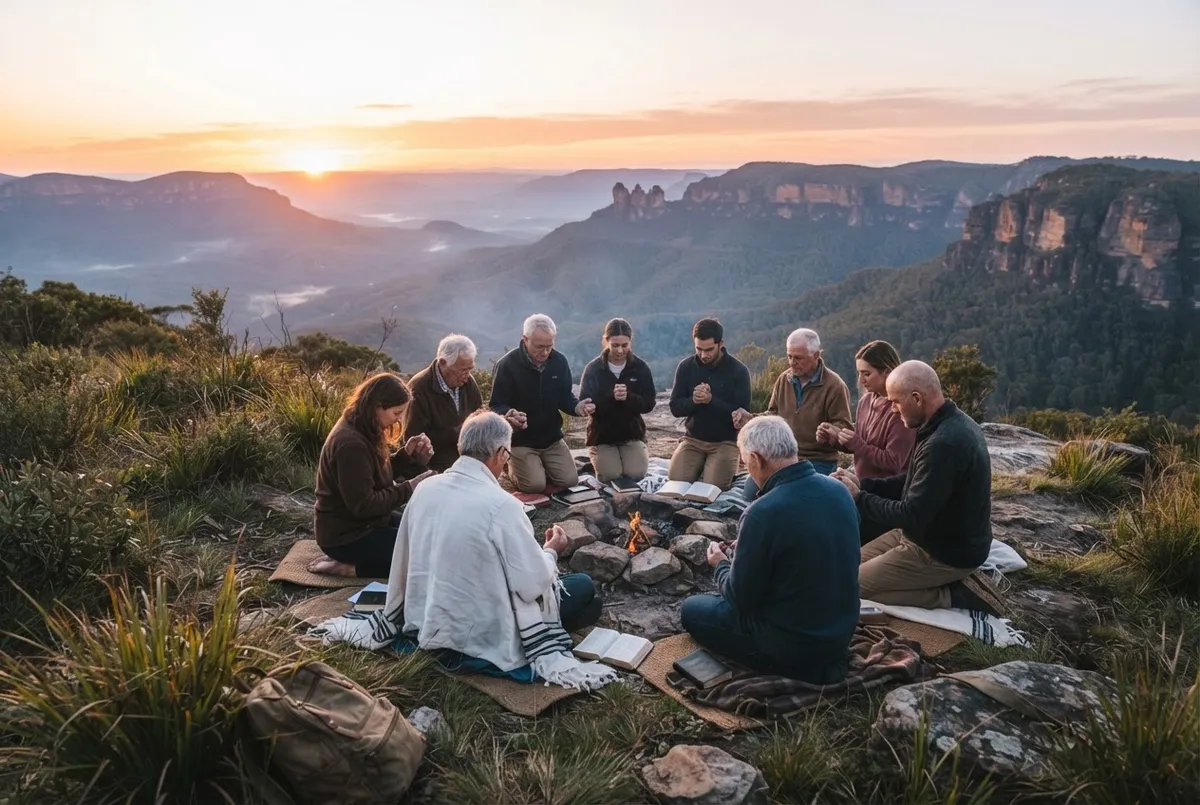
October 31 holds two striking markers in history. It is remembered as Reformation Day, recalling Martin Luther’s 95 Theses in 1517, and it is also the anniversary of the Australian Light Horse charge at Beersheba in 1917—four centuries later. Read together through Scripture, these moments invite us to consider how God renews faith and calls His people forward.
This is not a claim that a date or a concordance number can prove a prophetic pattern. Rather, it is a devotional invitation: to listen again to the Word, welcome the Holy Spirit’s conviction, and seek the life that comes from above through Jesus.
The linguistic weight of #509
Strong’s numbers are reference tools, not hidden codes. Still, the original reflection draws together two #509 entries as a way to contemplate the inward work of God and the heavenly source of renewal.
Hebrew: ‘Ālaṣ — an inward pressing
The supplied study associates Hebrew #509, ‘Ālaṣ (אָלַץ), with urging or pressing, and points to the language of persistent pressure in Judges 16:16. As a devotional picture, it reminds us that renewal can begin with a holy unease: the Spirit stirring believers to return to Scripture, prayer, and wholehearted obedience when faith has grown comfortable or compromised.
This is not a call to harshness or self-righteousness. The Spirit’s conviction draws us towards Jesus, forms humility, and gives courage to speak truth with love. Reformation begins not with our force of will, but with hearts yielded to God.
Greek: anōthen — from above, made new
The Greek word anōthen can mean “from above,” “again,” or “from the beginning,” according to its context. Jesus uses it in John 3:3 as He speaks with Nicodemus about being born from above. James 1:17 describes every good and perfect gift as coming down from above, and Matthew 27:51 says the temple curtain was torn from top to bottom.
Together these passages point us to grace: new life comes from God, access to the Father is opened through Jesus, and renewal is received rather than engineered. The Church’s hope is not a human system made more impressive, but the living presence of Christ at work by the Holy Spirit.
Reformation Day: grace, faith, and freedom
The Reformation called the Church back to the good news of salvation by grace through faith, centred on Christ and grounded in Scripture—to the glory of God. These convictions still matter wherever people are burdened by performance, fear, or spiritual passivity.
“For I am not ashamed of the gospel, because it is the power of God that brings salvation to everyone who believes…” — Romans 1:16–17
The Gospel is more than advice; it is God’s power to save and transform. Luther’s reflection on righteousness turned towards the gift received by faith, not a score earned by religious effort. Paul’s words in Ephesians keep that gift clear:
“For by grace you have been saved through faith. And this is not your own doing; it is the gift of God, not a result of works, so that no one may boast.” — Ephesians 2:8–9
And the song associated with Luther’s witness begins with a refuge stronger than any age of upheaval: “God is our refuge and strength, an ever-present help in trouble” (Psalm 46:1).
But this October 31 story has another pillar. Four hundred years after the Reformation began, Australian Light Horsemen rode towards the wells of Beersheba in a daring charge. What might that contested ground, covenant, and life-giving water say to the Church now? And how can the inward pressing of #509 become a Spirit-led movement of renewal in our own communities?